
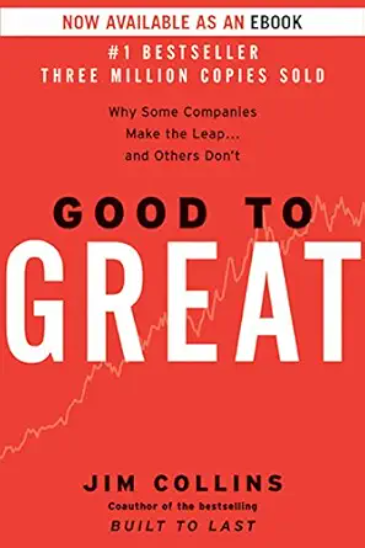
Jim Collins’ Good to Great is a business classic that has stood the test of time. Through rigorous research and analysis, Collins identifies key principles that help good companies achieve sustainable greatness. The book was easy to read while being extremely data-driven. A truly rare combination. This book has several powerful analogies, parables, and stories to help drive the point home. One overarching principle, however, is the Flywheel.
The Flywheel metaphor illustrates that great companies don’t achieve success overnight. Instead, they build momentum over time through consistent effort and discipline. The Flywheel represents a heavy wheel requiring a significant initial effort to get it turning. Once it starts moving, however, it becomes easier to keep it spinning and accelerate its momentum. Great momentum builds with three key elements of the equation:
- Disciplined People
- Disciplined Thought
- Disciplined Action.
These disciplines work in harmony to create sustained exceptional momentum. I mention this metaphor at the beginning of this article because I’ve categorized each key finding into one of those three categories.
Disciplined People: Level 5 Leadership (Humble and Bold)
One of the most compelling concepts in Good to Great is Level 5 Leadership. I won’t go into all 5 levels here, but level 5 leaders are one of the biggest key differentiators for companies that become great and stay great.
Level 5 leaders have a paradoxical blend of humility and willingness to take bold moves in favor of the organization, not themselves. They continually give credit to others for success. They seek the good for the organization they are supporting. They are boldly willing to make big pivots when a new strategy will better help the company.
Level 5 leaders are not arrogant or egotistical. They aren’t necessarily charismatic, either. In fact, they are often shy and reserved by nature and avoid public recognition for their successes. Yet, they possess an intense resolve and fierce drive to do what they must to produce the best long-term results.
This combination of attributes, humble and bold, is my favorite insight from this book because it easily translates across business and personal goals.
Reviews
There are no reviews yet.