
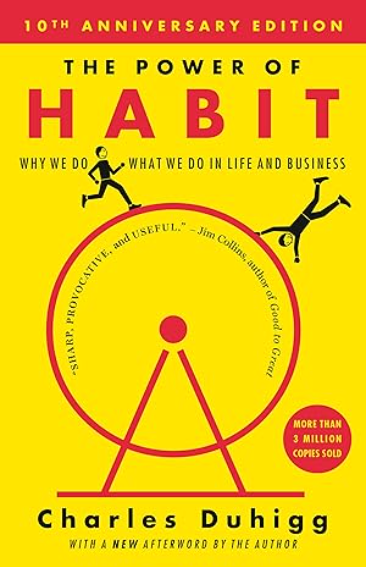
Charles Duhigg’s The Power of Habit is a fascinating deep dive into the science behind habits — how they form, how they influence our daily lives, and most importantly, how we can change them. Blending neuroscience, psychology, and real-world case studies, Duhigg makes a compelling case that understanding our habits is the key to personal success, business growth, and even societal change.
The first step in changing your habit is to understand why you have them in the first place.
The Habit Loop: Why We Do What We Do
Duhigg introduces us to the habit loop, a three-step cycle that governs all our habitual behaviors:
- Cue — The trigger that sets a habit in motion.
- Routine — The action we repeatedly take.
- Reward — The benefit or outcome that reinforces the habit.
One of the book’s most fascinating case studies is Eugene Pauly, a man who lost his memory due to brain damage but could still perform daily routines — like taking a walk or making breakfast — because his habits were deeply ingrained in the basal ganglia, a part of the brain responsible for storing habitual actions. The key takeaway: Habits are powerful because they work automatically, often without conscious thought. But the good news? They can be changed.
Keystone Habits: The Small Changes That Transform Everything
Duhigg introduces the concept of keystone habits, behaviours that trigger a ripple effect in multiple areas of life.
A striking example is Paul O’Neill’s leadership at Alcoa. Instead of focusing on profits, O’Neill made workplace safety the company’s top priority. By instilling a culture of reporting and rapid response to safety hazards, he unknowingly boosted productivity, efficiency, and overall profitability, turning Alcoa into one of the most successful aluminum companies in the world. The key takeaway: Changing one key habit can transform everything — from personal health to corporate performance.


Reviews
There are no reviews yet.