
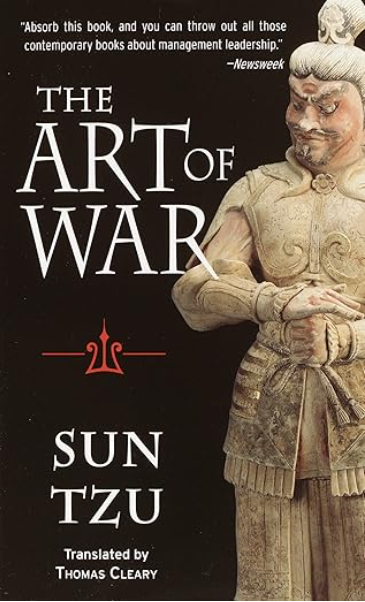
The treatment of the texts varies depending on the part of the book. The first part, featuring Sun Tzu’s Art of War, features Cleary’s translation intermixed with several interpretations and commentaries. The commentaries are provided by several scholars and provide added insights to the original text. Initially, I found this mixture annoying, as each paragraph of the original was followed by several paragraphs of commentary, often repeating or paraphrasing what had been said previously. After a while, though, this style grew on me and I was able to glean additional understanding through these commentaries.
The second part of the book ties in other Asian works, such as the Tao Te Ching, to the Art of War. This section explains how the Taoist concepts permeate throughout several classical texts and how one complements the others. This background and surrounding information makes the Art of War that much more relevant and meaningful. Also useful are the historic references explaining what was going on in Asia around the time of each writing.
The third part covers Sun Bin’s Art of War, also called the Lost Art of War. Sun Bin’s writing follows in the tradition of Sun Tzu’s, expanding upon the same principles. Some of this part of the book gets redundant as Sun Bin paraphrases and quotes Sun Tzu frequently, but still worth reading.
As advertised, the Art of War is about far more than war. It is about any sort of struggle or confrontation. Taken literally, I can see how the advice would have helped in ancient warfare; taken metaphorically, you can easily apply the techniques to business, politics, or any other place that contention or conflict exists.
A large part of the writings deal with leadership and the best qualities of a leader: “Leadership is a matter of intelligence, trustworthiness, humaness, courage, and sternness.” Sun Tzu highlights the importance of discipline in leadership, with established rewards and punishments that are consistently applied across the board. Good advice for a general as well as a corporate executive, head coach, or politician.

Reviews
There are no reviews yet.